Together, communities, science, and technology are shaping a future where people and wildlife can thrive side by side.
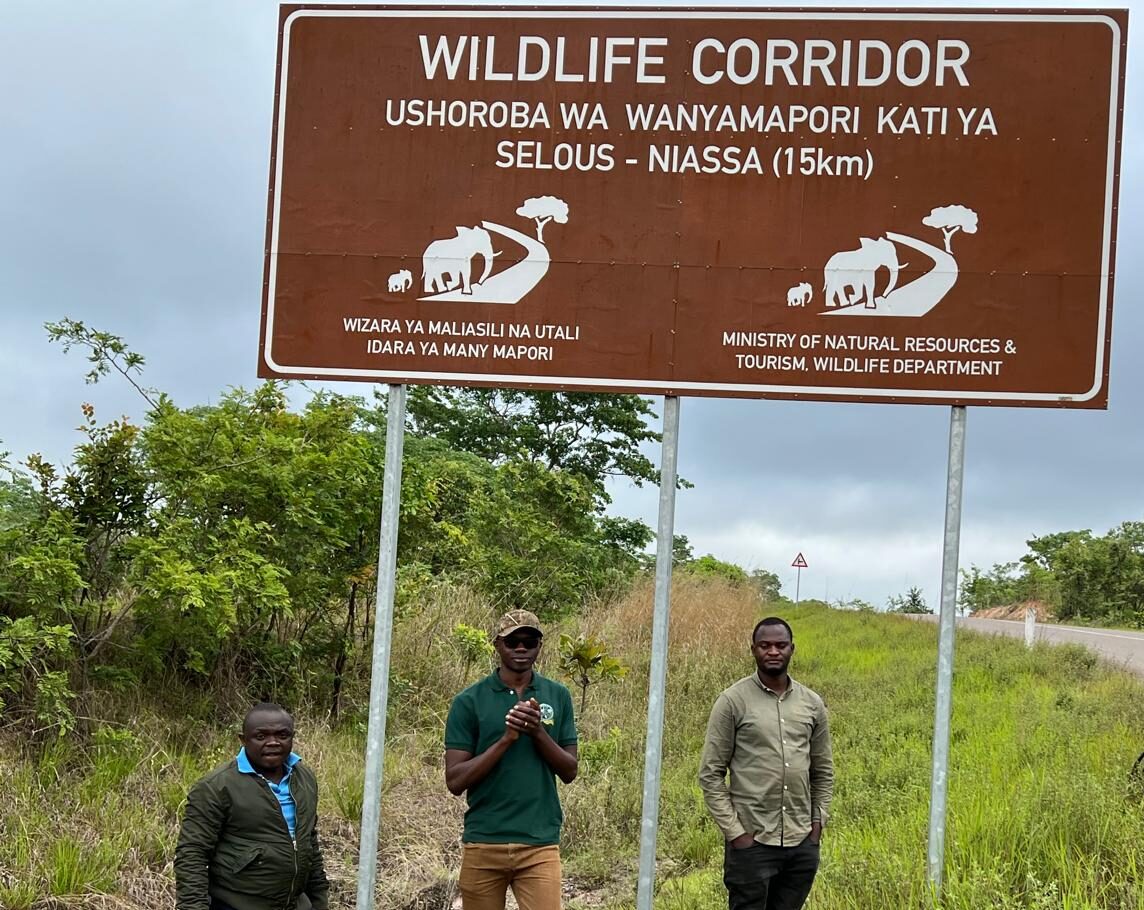
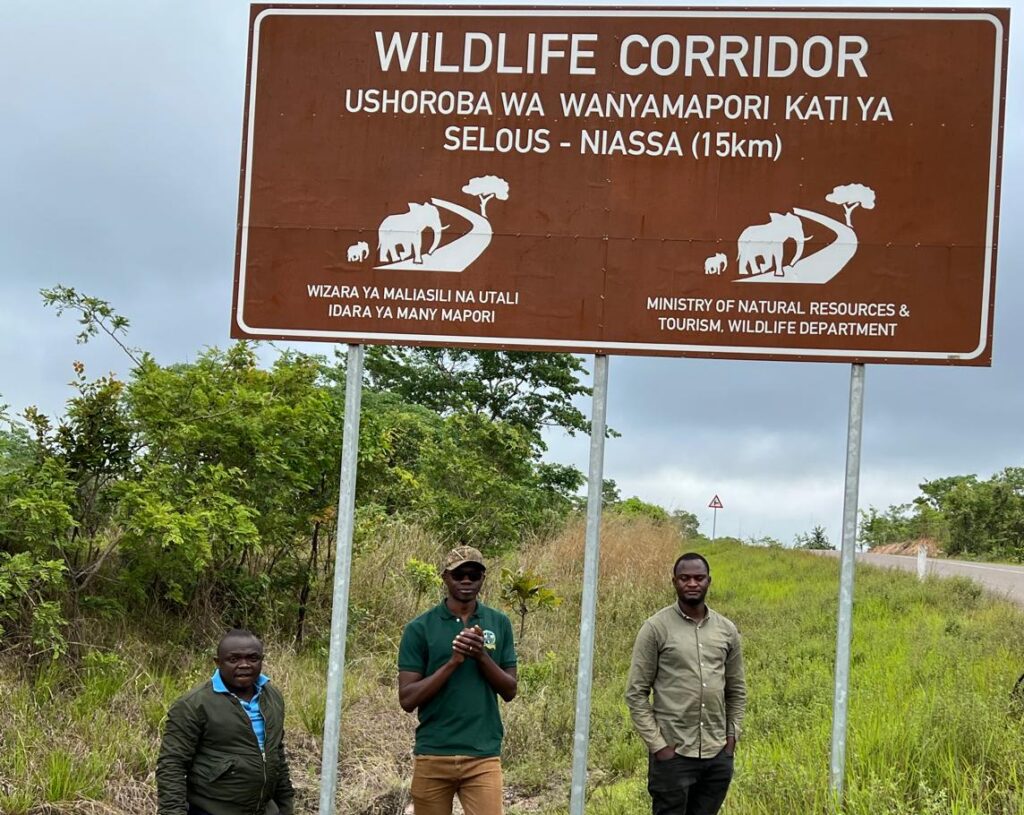
For generations, the forests, rivers, and woodlands of southern Tanzania have sustained both people and wildlife. Farmers depend on fertile land to feed their families, while elephants, wild dogs, lions, and countless other species depend on the same landscape for food, water, and safe movement. This remarkable connection makes the Selous–Niassa Wildlife Corridor one of Africa's most important conservation landscapes—but it also presents one of its greatest challenges.
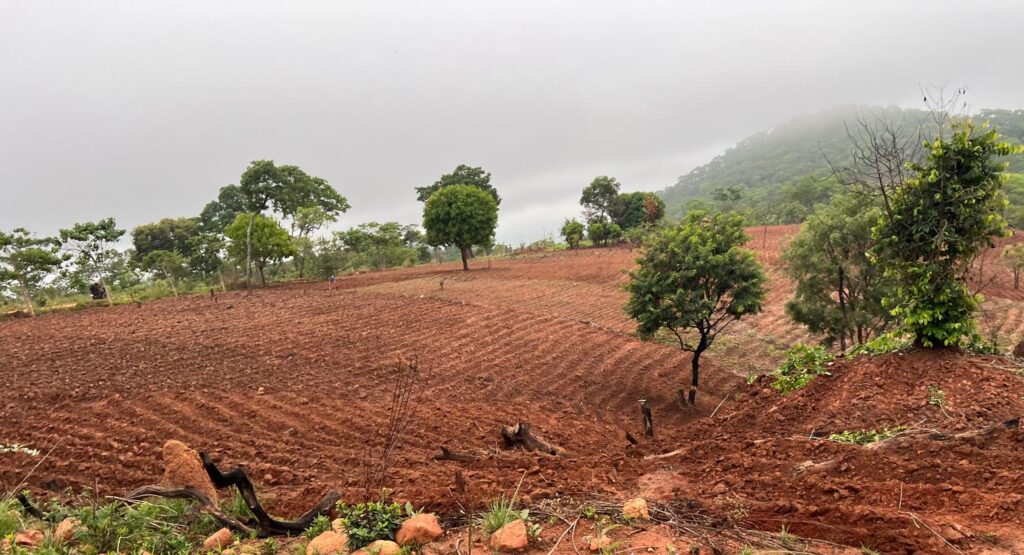
As climate patterns continue to change, communities are experiencing increasing uncertainty. Longer dry seasons, shifting rainfall, and changing wildlife movements are bringing people and wildlife into closer contact, increasing the risk of crop damage, economic losses, and threats to both human safety and biodiversity.
At ECOWICE, we believe that lasting conservation begins with understanding this shared landscape and working together to protect it.
Today, we are excited to announce our participation in the Human–Wildlife Interactions: Building Climate Resilience in the Selous–Niassa Wildlife Corridor project, led by Sokoine University of Agriculture (SUA) in partnership with the Tanzania Wildlife Management Authority (TAWA) and ECOWICE. The project is funded by the Global Center on Biodiversity and Climate (GCBC)
Where Nature and Communities Meet
Every village has its own story. Some families know exactly when elephants are likely to appear. Others recognize wildlife movement by reading footprints, broken branches, bird calls, or changes in the surrounding environment. These generations of local knowledge have helped communities adapt to living alongside wildlife for decades.
This project recognizes that these experiences are just as valuable as scientific data.
By bringing together indigenous knowledge, ecological research, and modern technology, the project aims to build practical solutions that reflect both scientific evidence and community experience.
Imagine receiving an alert before elephants reach nearby farms.Imagine community members, wildlife authorities, and local leaders working from the same information to prevent conflict before it happens. That is the vision behind this project. Artificial Intelligence (AI), smart wildlife cameras, environmental sensors, weather information, and community observations will work together to improve the detection of wildlife movements and support timely early-warning systems for communities living within the corridor.
Rather than reacting after crops have already been damaged, the project seeks to provide information that allows communities to prepare in advance and respond more safely.
Conservation That Supports Livelihoods
Healthy ecosystems support healthy communities. Reducing human–wildlife conflict means more than protecting wildlife, it helps safeguard crops, strengthens household food security, reduces time spent guarding farms, and creates opportunities for more resilient livelihoods.
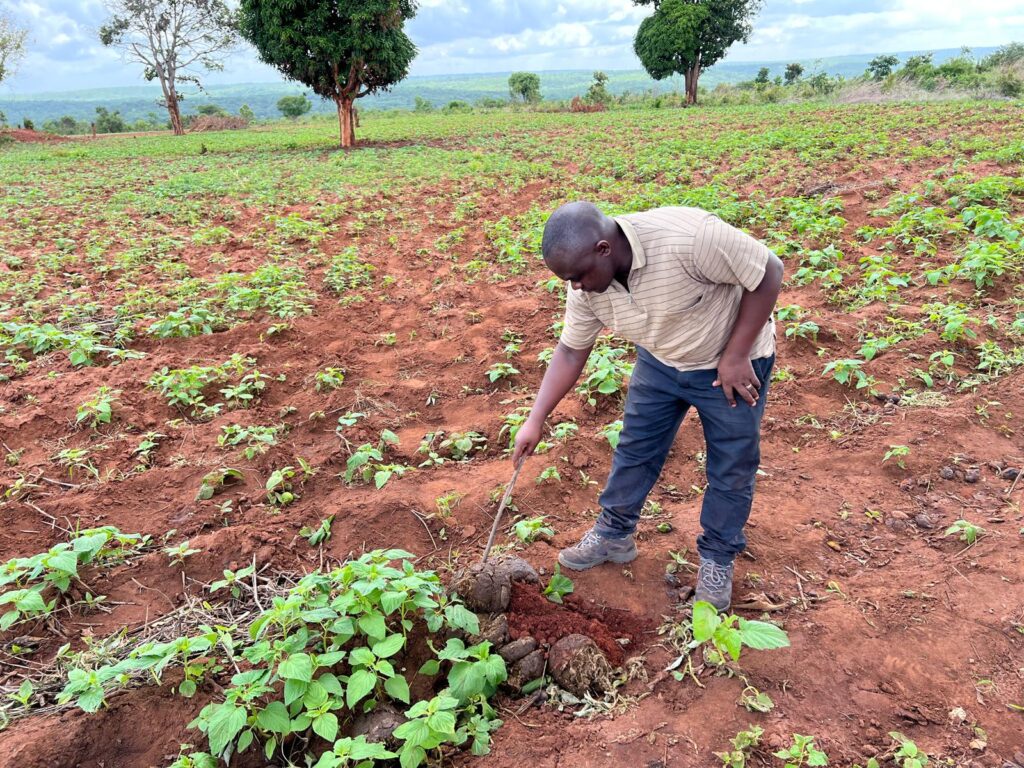
Throughout the project, communities will play a central role in monitoring wildlife, testing new technologies, and identifying locally appropriate solutions. Women, youth, farmers, village leaders, and conservation partners will all contribute to building a system that reflects local priorities and strengthens community resilience.
Learning Before Acting
One of the first activities will be listening.
Project teams will work closely with communities, government institutions, Wildlife Management Areas, and other local stakeholders to better understand wildlife movements, community priorities, and the challenges people face every day.
Household surveys, ecological monitoring, stakeholder consultations, and wildlife corridor assessments will help establish a strong scientific foundation before technology is introduced.
By learning from local people first, the project aims to ensure that future interventions respond to real needs and local realities.
A Shared Responsibility for the Future
Protecting biodiversity is not the responsibility of one organization alone.
It requires collaboration among communities, researchers, government institutions, conservation organizations, and every person who values Tanzania's natural heritage.
Through this partnership, ECOWICE remains committed to developing practical, community-driven solutions that strengthen coexistence between people and wildlife while improving livelihoods and protecting one of Africa's most important ecosystems.
Together, we can create landscapes where farms remain productive, wildlife continues to move freely, and future generations inherit both thriving communities and healthy ecosystems.
Stay Connected
Over the coming months, we will share updates from the field as the project progresses, including community stories, conservation innovations, research findings, and lessons learned from across the Selous–Niassa Wildlife Corridor.
Together, we are building a future where people, wildlife, and nature thrive together.